
Canadian Registration Number
Introduction to CRNs and Pressure Vessels in the Valutech Product Lineup
A CRN, or Canadian Registration Number, is a unique designation issued by a provincial safety authority for design of heat exchangers and other pressure vessels, fittings, and boilers; it ensures certain standards and equipment regulations are met for equipment installed within the province. The approval of a pressure vessel or fitting is based on the CSA B51 standard, published by the CSA Group (formerly Canadian Standards Association), that acts as the national baseline for equipment to qualify for a CRN; each province or territory then enforces its own legislation with provincial safety regulations. Without a CRN issued by the provincial authority, the equipment cannot be legally be installed or operated in that province regardless of manufacturer or international certifications.
What is a CRN?
CRNs certify that the equipment follows a recognized engineering code or standard, such as ASME, and that the design is safe and legally approved according to stress calculations, material selection, and pressure/temperature ratings. The CRN applies to equipment design itself, rather than each individual unit; once registered, identical units are produced under the same CRN. This ties the registration to each manufacturer’s specific drawings and calculations, and ensures traceability to the design in the event of failure or other issues during inspection.
Each province in Canada interprets the CSA B51 code differently to create and enforce their own regulations under a designated safety body. A design may therefore be eligible and approved for registration in multiple provinces. The number issued typically follows the following format:
0H12345.5
- Leading Number: A 0 indicates a standard design registration, and other numbers such as 1, 2, etc. are used rarely in the case of revisions or other special cases; may be omitted.
- Initial/Category Letter: A pressure vessel may have an initial letter, although it is often omitted/implicit. For fittings, the letters A through G each indicate certain categories of fittings, while Category H fittings are pressure-retaining components that do not fall into Categories A-G.
- Main Number: Sequentially-issued registration issued on a per-province basis to provide numerical identification.
- Suffix (Provincial Designation) Digit(s): The first number or letter after the decimal point indicates which province initially approved the design; for example, 5 corresponds to Ontario. Any subsequent digits show other provinces that approved the design afterwards; the letter “C” shows full registration throughout Canada.
Note that due to considerations related to the type of pressure vessel/fitting, types of designs, revisions, alterations, etc. CRNs can follow completely different formats compared to the above.
Category A-G fittings are standardized as common designs that are usually covered under a single manufacturer’s CRN, applying to a range or group of sizes and models. This means that individual designs do not need a registration, and the CRN is reused.
CRNs for Valutech Products
Valutech heat transfer and fluid handling products are provided with CRN designations within Ontario and beyond. The following products have Canadian Registration Numbers:
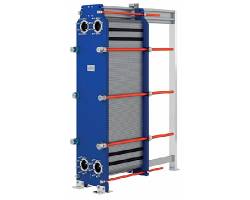
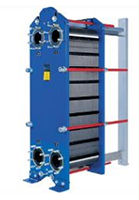
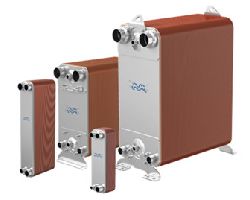
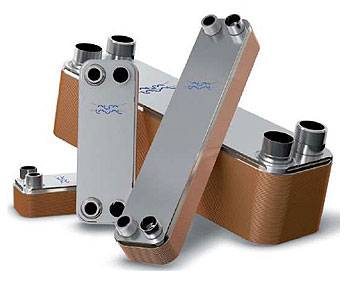
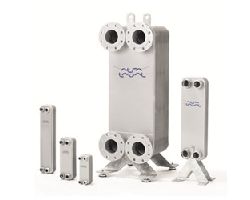
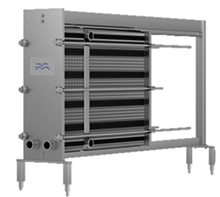
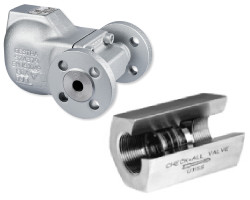
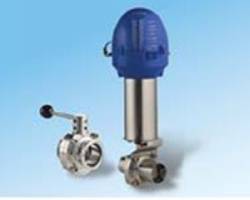
*Availability varies by model; please contact us for details.
In addition to the product lines above, we also offer stock shell-and-tube heat exchangers with CRNs; please Contact Us for more details on the registration of our products.
CRN Requirements in Ontario — TSSA Guidelines
The issuing body of CRNs in Ontario is the Technical Standards & Safety Authority (TSSA); the following flow chart summarizes the application CSA B51 and Ontario Regulation. 220/01 as used by TSSA to determine if a CRN is required for Ontario and if the heat exchanger, pump, valve, or other equipment is classified as a Category H fitting or pressure vessel:
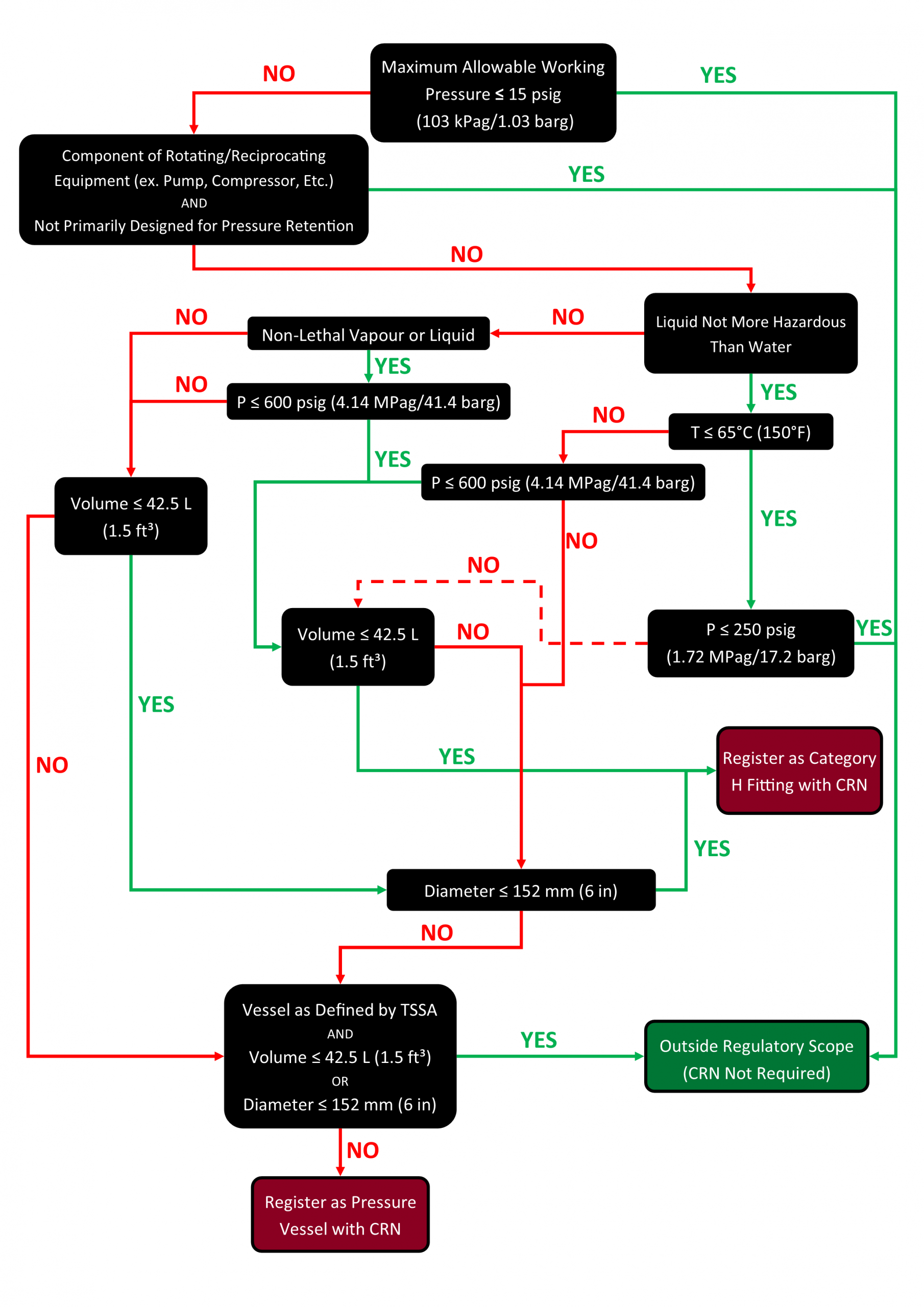
The TSSA defines a fitting as: “…an appurtenance that is attached to or used in connection with a boiler, a pressure vessel or piping and includes such things as valves, gauges and controlling devices and other pressure-retaining components”. Therefore, anything that does not fall under this definition is considered a pressure vessel by the TSSA and is potentially exempt from requiring a CRN if its volume or diameter is small enough.
For plate heat exchangers and similar geometries, internal diameter may not be well-defined; in practice, hold-up volume is the practical basis for assessing size-based exemptions. Conversely, shell-and-tube heat exchangers are subject to checks on the shell inner diameter and hold-up volume.
A fluid’s degree of hazard is not explicitly defined in O. Reg. 220/01 — in practice, the interpretation is based on the fluid’s hazard characteristics per Safety Data Sheets (SDSs) and WHMIS hazard classes.
In addition to the determinants shown in the chart above, there are additional specific exemptions related to boilers or equipment that belongs to systems such as hydraulic vessels or refrigeration systems — please refer to O. Reg. 220/01: BOILERS AND PRESSURE VESSELS for more details.
Please Click here to see our full product lineup.